

Interlocked Locs Gallery
$$MultiPurposeText$$
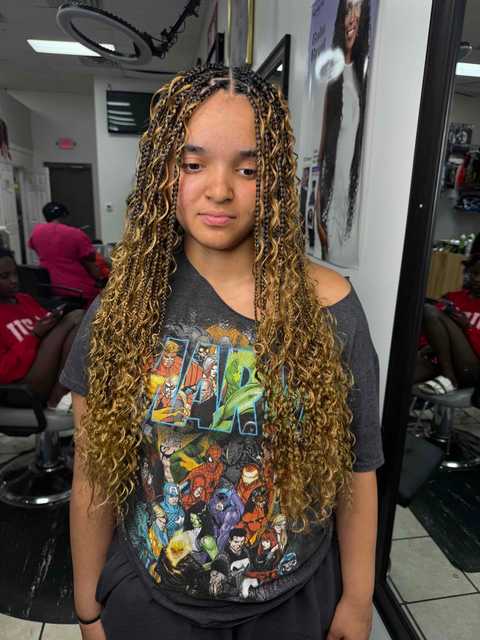
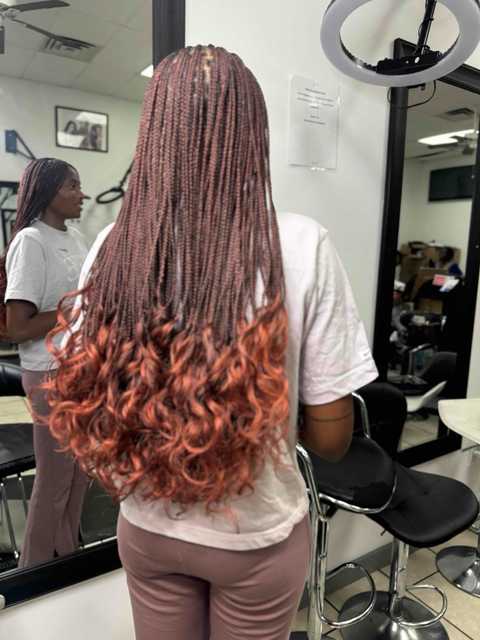
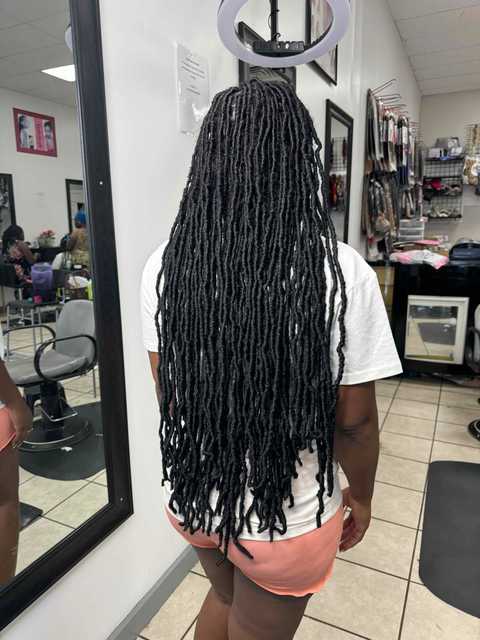
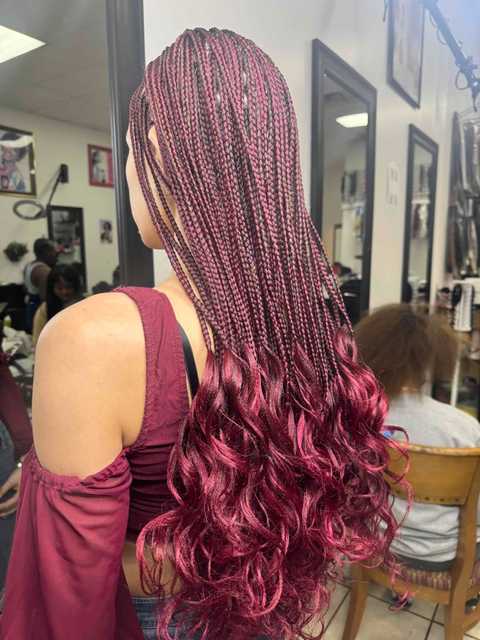
See examples of our Interlocked Locs work and results.






What Our Clients Say
$$MultiPurposeText$$
Read testimonials from our satisfied customers

This is my first time coming. I called the day off and asked if I could come in the next 1...more

Love my hair!!! Definitely worth the price for the time and effort they put in. I will def...more

Perfect aquantance in what they do.

angela and emosa

I was helped by Ida she got me together! I love my hair and the experience every time ! De...more

Amazing! Thank you ❤️

Frequently Asked Questions
Get answers to common questions about Interlocked Locs.
Most clients return every four to eight weeks depending on new growth, hair texture, and desired look. Tighter interlocks need longer spacing, while finer hair may require more frequent maintenance to prevent unraveling and thinning.
Mild tenderness for a day or two is normal if interlocking is tight, but significant pain indicates excessive tension. Our stylists prioritize comfort, adjusting technique and pressure to protect the scalp. Communicate discomfort immediately for adjustments or a looser setting.
Interlocking is best performed on clean, dry hair to ensure proper grip and reduce slippage. Slightly damp hair may work with experienced stylists, but avoid very wet hair to prevent stretching and uneven tightening that can compromise loc integrity.
Appointment time varies by loc size, thickness, and root growth. Expect sixty to one hundred eighty minutes: small, dense locs take longer, while larger or sparser locs finish faster. Your stylist will provide an estimated time when booking.
Interlocking itself doesn't significantly alter natural thickness or overall length; it tightens roots and compacts new growth. However, repeated tension or improper technique can cause shrinkage or breakage. Properly done maintenance preserves length and density while promoting healthier loc appearance.
Avoid heavy manipulation for twenty-four to forty-eight hours, sleep with a satin scarf, and use lightweight oils to moisturize the scalp. Wash gently every two to three weeks with residue-free products, and return for scheduled maintenance to keep roots secure and healthy.